High Peaks, Low Footprint

Join us as we explore Sustainable Alpine Cabin Living: Off-Grid Traditions Paired with Modern Energy Solutions, where resilient mountain know‑how meets solar arrays, micro‑hydro trickles, and airtight comfort. Through stories, practical tips, and community wisdom, you’ll learn how to design, power, heat, and nourish a snug high‑altitude refuge that honors elders, protects wildlife, and thrives through deep winters. Share your questions, swaps, and victories so our ridge‑top circle grows stronger together.

Roots in the Ridge: Heritage Skills Renewed

Stories by the Stove

My neighbor Greta recalls winter evenings when her father listened to the draft through the stove pipe and sealed hairline gaps with a candle and a steady hand. We mimic that attentiveness with blower‑door tests, modern gaskets, and safer clearances, preserving the ritual of tending coals while cutting smoke, sparks, and wasted heat. Describe the sounds your cabin makes when storms arrive, and what they have taught you.

Materials with a Memory

Reclaimed larch beams creak like distant sleds, and local stone carries glacier stories underfoot. Selecting such materials respects place and embodied carbon, while moisture meters, borate treatments, and careful flashing protect longevity. Share sources, sawyers, and quarry tips that balance budget, transport emissions, and authenticity, so craftsmanship survives beyond fashions and fast fixes in valleys chasing tourists and quick returns.

Seasonal Rhythms as Design Guides

Orientation that welcomes low winter sun and sheds prevailing storms was once learned by watching goats, flags, and shadows. We pair that patient reading with climate files and simple models, sketching porches, shutters, and snow‑sheds that keep paths open. Tell us how your ridge channels wind, where drifts settle, and which window catches dawn best without overexposing timber or drying herbs too quickly.

Sun, Snow, and Storage: Powering Heights

Electricity high in the mountains arrives from a thin winter sun, patient water drops, and gusts that rattle guy wires. We design arrays that shrug off snow, protect fragile cables from ice creep, and feed hybrid inverters that prioritize essentials. Lithium iron phosphate batteries rest in insulated boxes, sipped by frugal loads. Share your system diagrams, costs, and triumphs so others avoid rookie mistakes and lonely blackouts.
Steeper tilt and dark frames encourage melt, while stout rails and through‑bolted anchors handle shifting blankets that would pry weaker mounts. We mind avalanche paths above the roof and leave working walkways for brushing when storms linger. Post your performance through December to February, and include shading photos at noon, so newcomers can right‑size arrays without wasting money chasing mythical summer outputs in January.
A narrow stream with thirty meters of head may outproduce winter solar if intake screens resist frazil ice and leaf litter. We bury penstock below frost, add unions at bends, and tune nozzles for shoulder seasons. Tell us about permits, fish‑safe grates, and lightning protection, plus the quiet joy of hearing water spin electrons while snow deepens and the valley road closes again.
Cold robs capacity, so we wrap banks in foam, add gentle heaters triggered during charge, and keep state of charge between forty and eighty percent for longevity. Labels, shutoffs, and fire‑safe ventilation matter when guests visit. Share your worst blizzard discharge curve, inverter alarms, and lessons learned about phantom loads, then celebrate that first sunbreak when gauges climb and coffee hums like a tiny turbine.

Warmth Without Waste: Heating and Envelope

Comfort comes from airtight layers, smart ventilation, and steady, low‑temperature heat—not roaring flames alone. Triple‑pane windows banish drafts, while ERVs trade stale air for fresh without losing precious warmth. Clean‑burn stoves and compact heat pumps complement each other, balancing resilience with efficiency. Drop your blower‑door numbers, chimney sweep intervals, and thermostat strategies so our collective knowledge saves wood, watts, and lungs through long, glittering nights.

Water, Waste, and Wild Neighbors

Snowmelt becomes drinking water when gutters drain to buried cisterns, filters stay unfrozen, and pumps sip sparingly. Greywater nourishes shrubs through gravel trenches, while composting toilets save precious liters and keep systems simple. Meanwhile, food storage, trash, and light discipline protect bears, owls, and foxes. Add your safe practices, regulatory wins, and cautionary tales so cabins remain clean, efficient, and welcome in delicate alpine ecosystems.
Heated trace lines guard gutters, first‑flush diverters send dusty melt aside, and screened standpipes keep rodents out. Underground tanks rest below frost, with UV polishing after carbon filters for confident tea. Compare volumes per person, pump amperage, and insulation tricks for access hatches, then tell us how you prevent siphon losses or cracked fittings when an unexpected April freeze crashes back over the ridge.
Mulch basins and willow beds clean soaps when temperatures cooperate, but alpine roots nap in prolonged cold. We design freeze‑tolerant loops with bypass valves and inspection ports, choosing gentle detergents and verifying code allowances. Share diagrams, plants that survive, and seasonal switchover routines, plus the simple joy of steam rising from dishes while the moon paints the snowfield and fox prints lace the path.
Bears learn quickly, so latches, clean cooktops, and sealed barrels matter more than bravado. Night lighting stays warm and downward to protect skies and migration. Mark glass with subtle decals to spare birds. Tell us about corridors, seasonal closures, and respectful distances, then celebrate those mornings when you meet tracks at dawn, feel watched, and remember you are a grateful guest in their world.

Building for the Mountain: Structure and Safety

Steep roofs, stout connections, and clear setbacks keep cabins calm when snow loads surge and slopes speak. We map avalanche paths, brace frames against racking winds, and manage drainage so meltwater never lingers. Detailing matters: vented cold roofs, good overhangs, and protected entries save repairs and shins. Contribute your engineering notes, permitting surprises, and rescue‑plan checklists to help others prepare before the siren of winter calls.

01

Roofs That Ride the Storm

Standing‑seam metal with continuous underlayment moves snow predictably, while snow‑retention patterns protect exits and solar hardware. Ice‑dam prevention begins with air sealing and ventilation, not heat cables alone. Share truss designs, purlin spacings, and valley flashing details that survived record winters, plus photos of access anchors that kept maintenance safe when drifts towered shoulder‑high and ladders vanished in a single windy night.

02

Foundations That Respect Freeze

Frost‑protected shallow footings, drainage mats, and capillary breaks keep floors level, even on moody soils. On steep benches, helical piers minimize excavation and root damage while resisting uplift. Tell us your geotech surprises, footing insulation details, and perimeter grading solutions, alongside porch jack posts that still adjust smoothly after storms. Together we can stop thaw cycles from cracking tiles and tilting stoves off center.

03

Routes In, Routes Out

A shovel is not a plan. We map egress routes, stage avalanche beacons by the door, and stock caches with headlamps, blankets, and radio batteries. Share signage ideas, neighborhood check‑in protocols, and sled hauling rigs that save backs. Tell the story of that one midnight dig‑out that became a block party, and what you changed afterward to make the next storm easier.

Pantry That Carries the Winter
Altitude changes boiling points, so canning times stretch, lids ping later, and patience becomes an ingredient. Ferments bubble near the stove, while root cellars hold steady humidity around crocks and crates. Swap recipes, shelf‑life notes, and waste‑reducing tricks, and show photos of labels that survived the thaw. Your tips keep bellies full when storms linger and the sled to town must wait.

Mutual Aid on a Switchback

A WhatsApp ping at dawn can mean a plow chain to borrow, a flue to sweep, or a quick wellness check after the gale. We trade ladder hours for solar maintenance, share extra seedlings, and coordinate wildfire prep. Tell us how your circle organizes, who leads during emergencies, and which traditions keep burnout low so kindness outpaces altitude and the road’s endless hairpins.

Work From the Summit

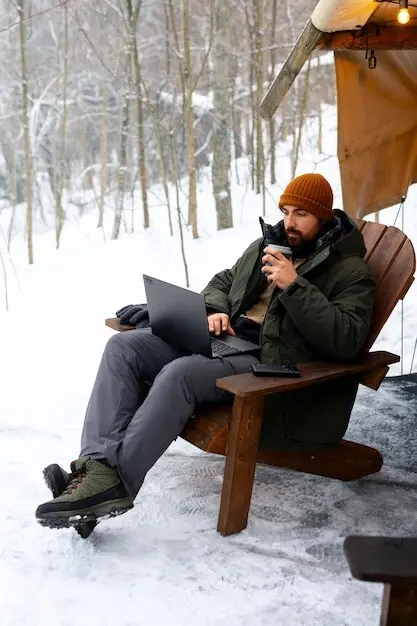
Reliable links matter when a storm chases deadlines. Satellite or microwave backhauls, DC routers, and thoughtful load‑shifting keep calls clear while batteries cycle gently. Schedule big downloads for bright days, then unplug for night. Share latency tests, antenna mounting strategies, and cybersecurity basics, so contributors thrive professionally without sacrificing quiet evenings, woodpile rituals, or the gorgeous silence that makes concentration effortless above the tree line.
Karosiratemikento
Privacy Overview

This website uses cookies so that we can provide you with the best user experience possible. Cookie information is stored in your browser and performs functions such as recognising you when you return to our website and helping our team to understand which sections of the website you find most interesting and useful.